
B2C App
2023
Customer loyalty app
My scope of work
Workshops
User research
Prototyping
UI Design
Design system
About this project
End-to-end UX design process for one of the largest fashion discount stores chain in Germany.
The goal was to help in transforming the current model of customers retention and facilitate the transition of the company's marketing efforts from cost-ineffective print mediums to the digital sphere.
Goal
Redefining marketing strategy for a sustainable digital-first future
*** is a prominent chain of fashion discount stores that has been operating in Germany for many years and has established a longstanding presence in Germany's urban landscapes.
Despite strong position, the company is now encountering new challenges brought about by the fast-developing era of digitalization, current economic status and company's sustainability ambition. The current marketing strategy, heavily reliant on printed media, is no longer cost-efficient and does not align with the company's environmental goals. Company also has an aim to shift the customer acquisition costs towards investments to improve the customer retention rate within the next years.
North Star metric
Customer Retention Rate
What are shopping behaviors of the recurring customers and how can we retain the new ones?
In order to validate our strategy and understand how to drive long-lasting retention, we first needed to decode the current state of the customers shopping habits and insights of their engagement.
Research
In-Depth Interviews
We aimed to reach customers who have made purchases in the past with the goal of recruiting two segments: those who have returned previously and the fresh customers who have just made their first purchase. We sought to understand what factors compelled previous visitors to return and how we can retain the new customers.
Key insights
Current customers may struggle to know if the discounted product can be found in their local store.
Most of the interviewed customers usually don't see any value in allowing apps to access their location and find it confusing.
There is a group of promotion hunters that has a tendency to periodically check their loyalty apps with the expectation of discovering appealing and time-limited promotions.
I happen to check my apps most often before winter or summer starts, when they do the warehouse clearance and they have some nice promotions.
Once I've found there a nice and cheap swimsuit and just recently I wanted to buy more for my family.
Final outcome
Personalization-powered app coupled with an effortless shopping experience
1
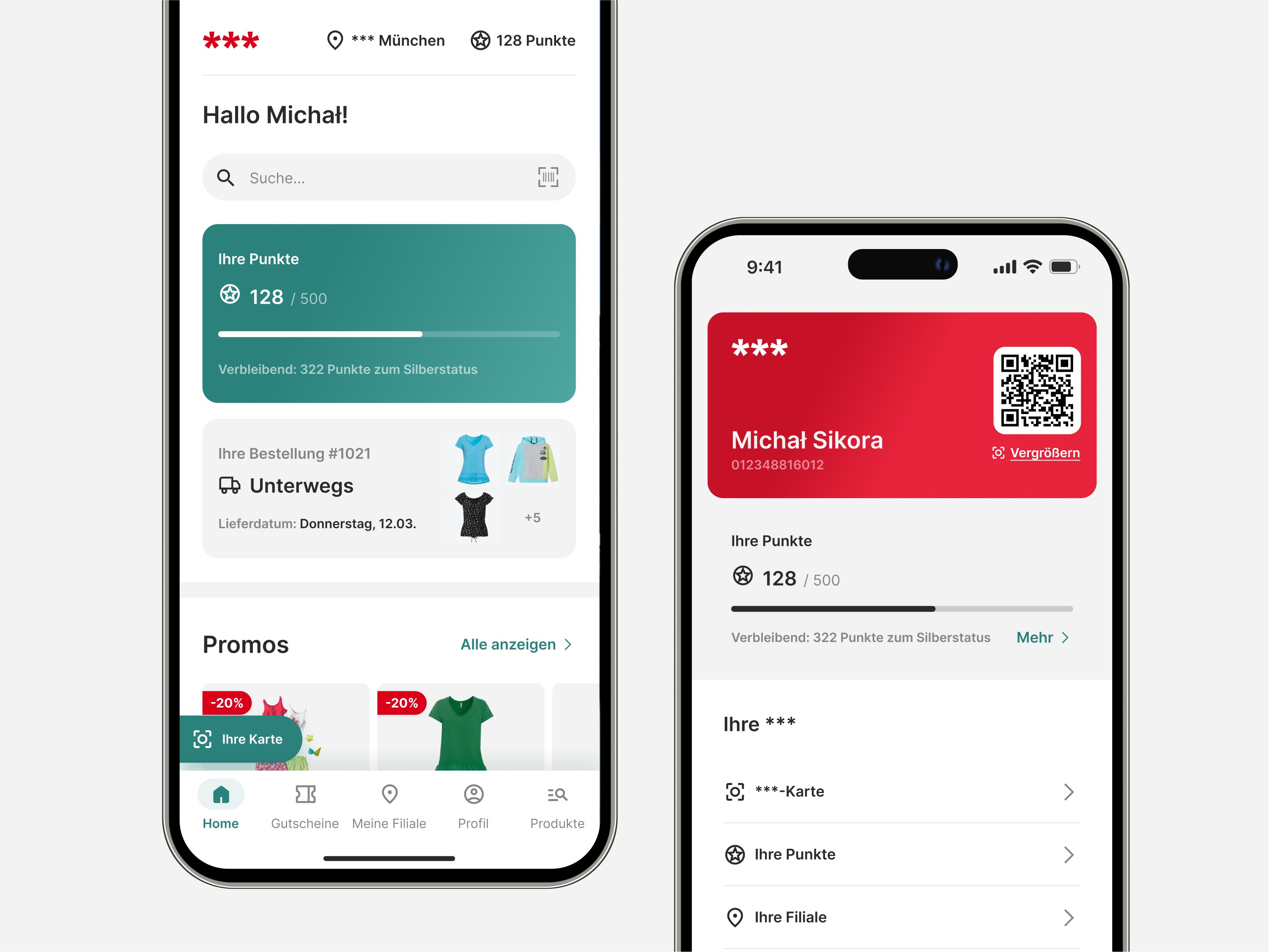
Collecting points with an easily accessible loyalty card
A loyalty card built into the app can allow customers to scan a personal QR code after shopping at a physical store and collect points. Customers who reach a certain threshold of points in a given period of time, can receive premium status and enjoy new limited discounts and offers. Everything easy as possible, with an option to save the paper bills at the checkout.
2
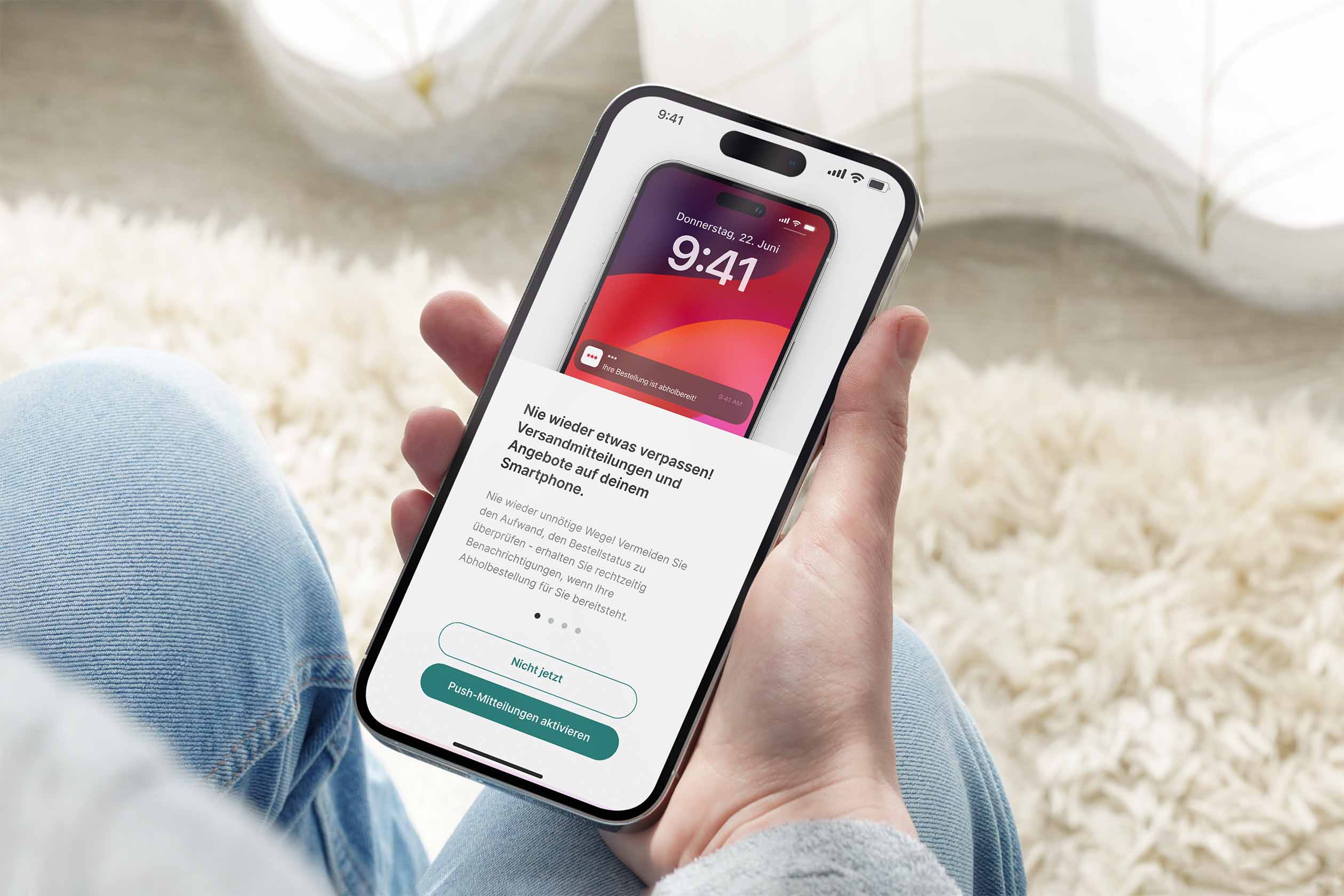
Notifications that can really help. Without the pushy pop-ups asking for permission too early.
One of the issues often observed and raised during workshops with the client, is that store owners have to struggle with the packages waiting for the customers who missed the fact that the order is ready to collect.
While addressing this challenge, we understood from the user interviews, that many customers are hesitant to grant location access to apps. To overcome this, we've developed a thoughtful workaround that effectively communicates the value of notifications on the onboarding screens without requiring access to their location with the intrusive native system modal too early.
3
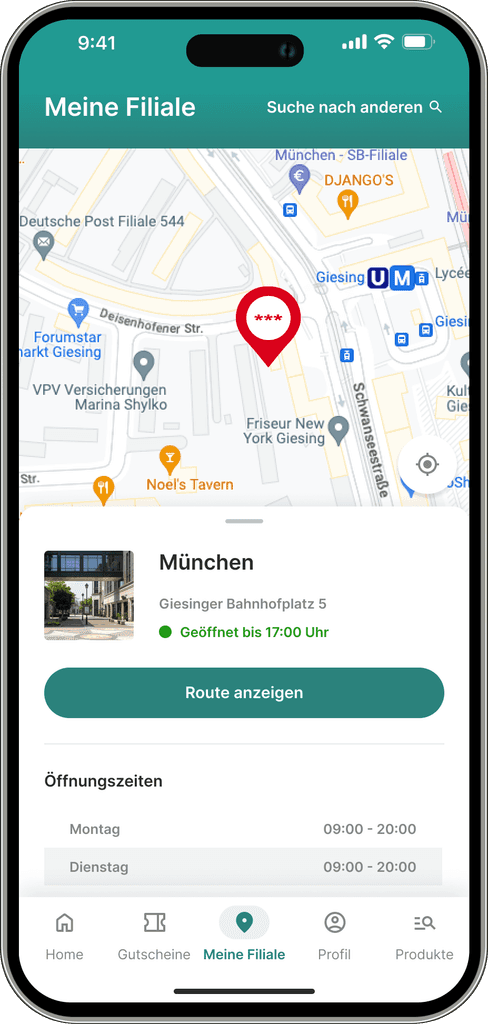
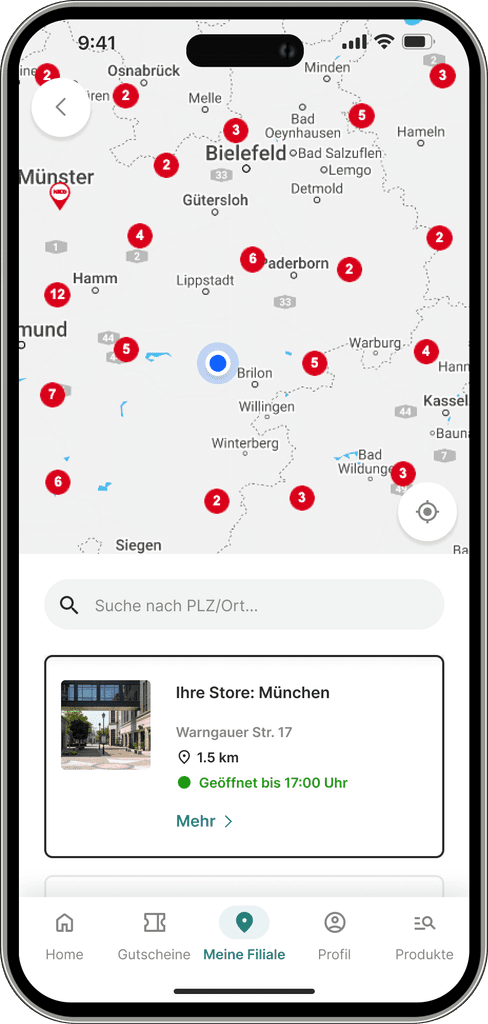
Stores exploring and selection for a more personalised experience
Customers can discover nearby stores, get known about their currently running promotions, check the operating hours, navigate with the Maps route or locate the parkings and bus stops.
4
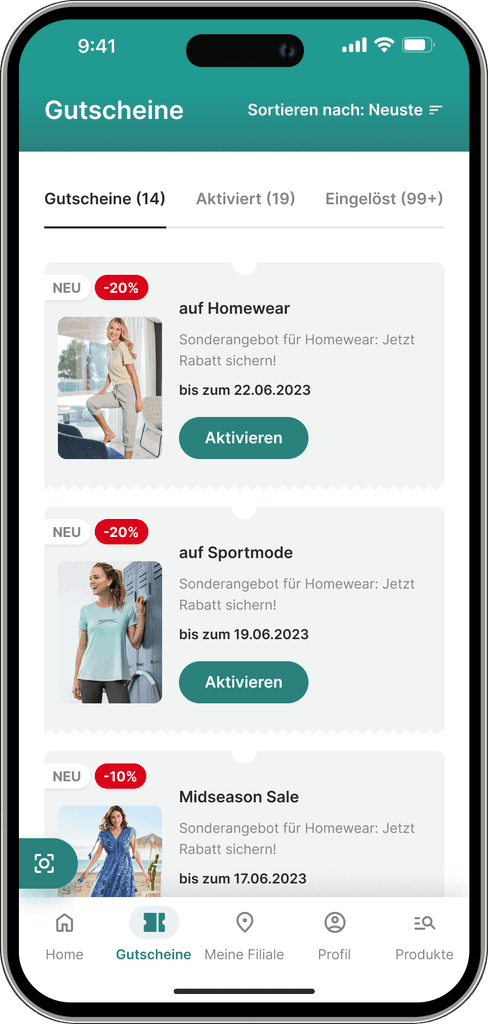
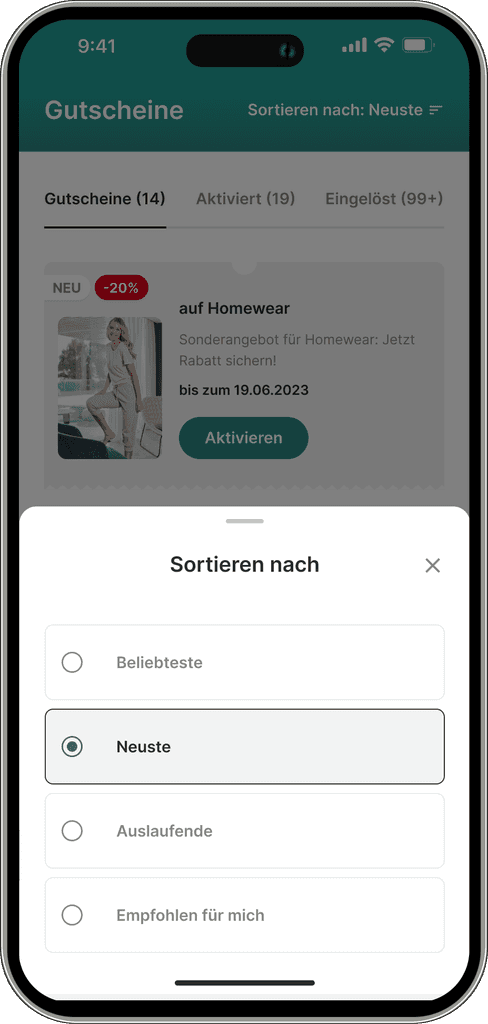
Coupons and special limited-time offers
By implementing time-sensitive promotions that appear seasonally and are available exclusively on the app, we aimed to enhance user engagement with a sense of urgency and satisfaction derived from discovering unique offers.
5
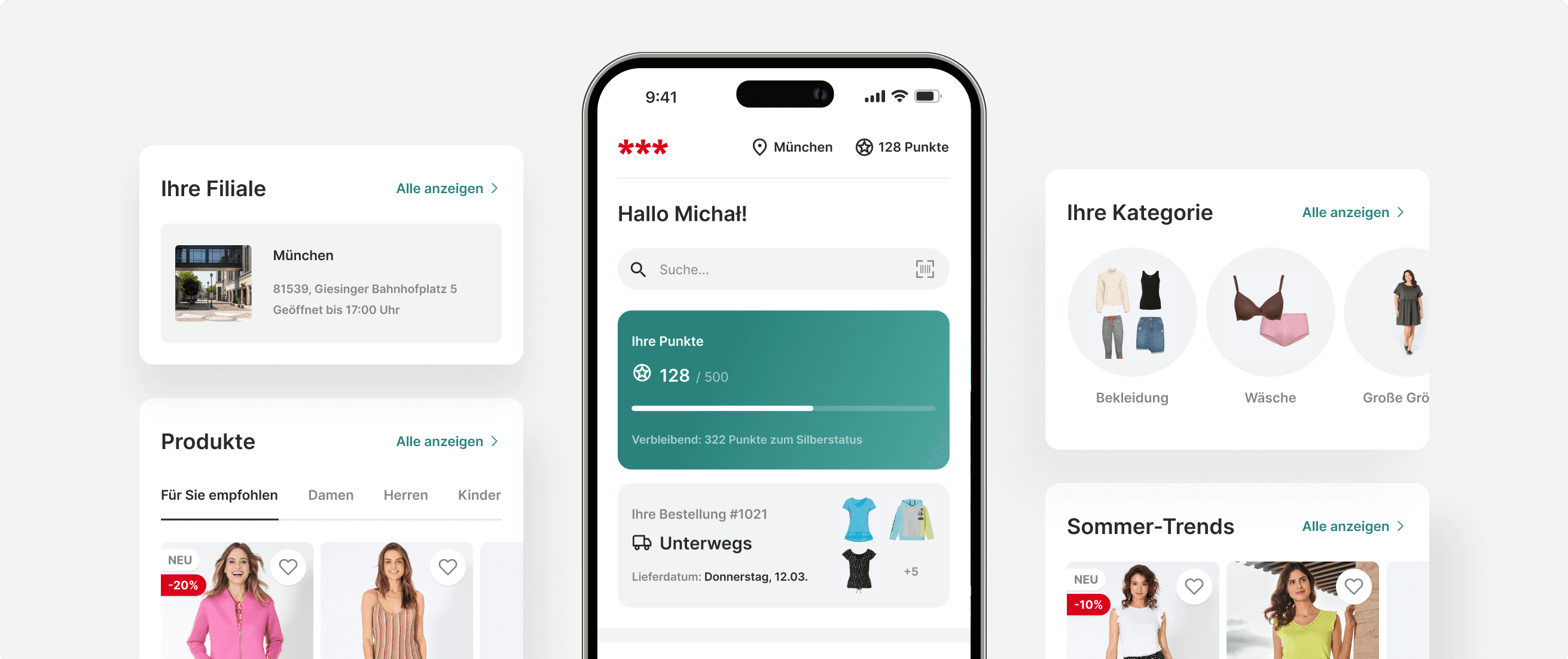
Home screen showing tailored promotions and products
During the interviews, we learned how previously purchased products can inspire future shopping. We leveraged that insight by showcasing products and product categories specifically related to past orders.
Additionally, thanks to the user's preferred store selection, we can also promote ongoing promotions at that particular location.
6
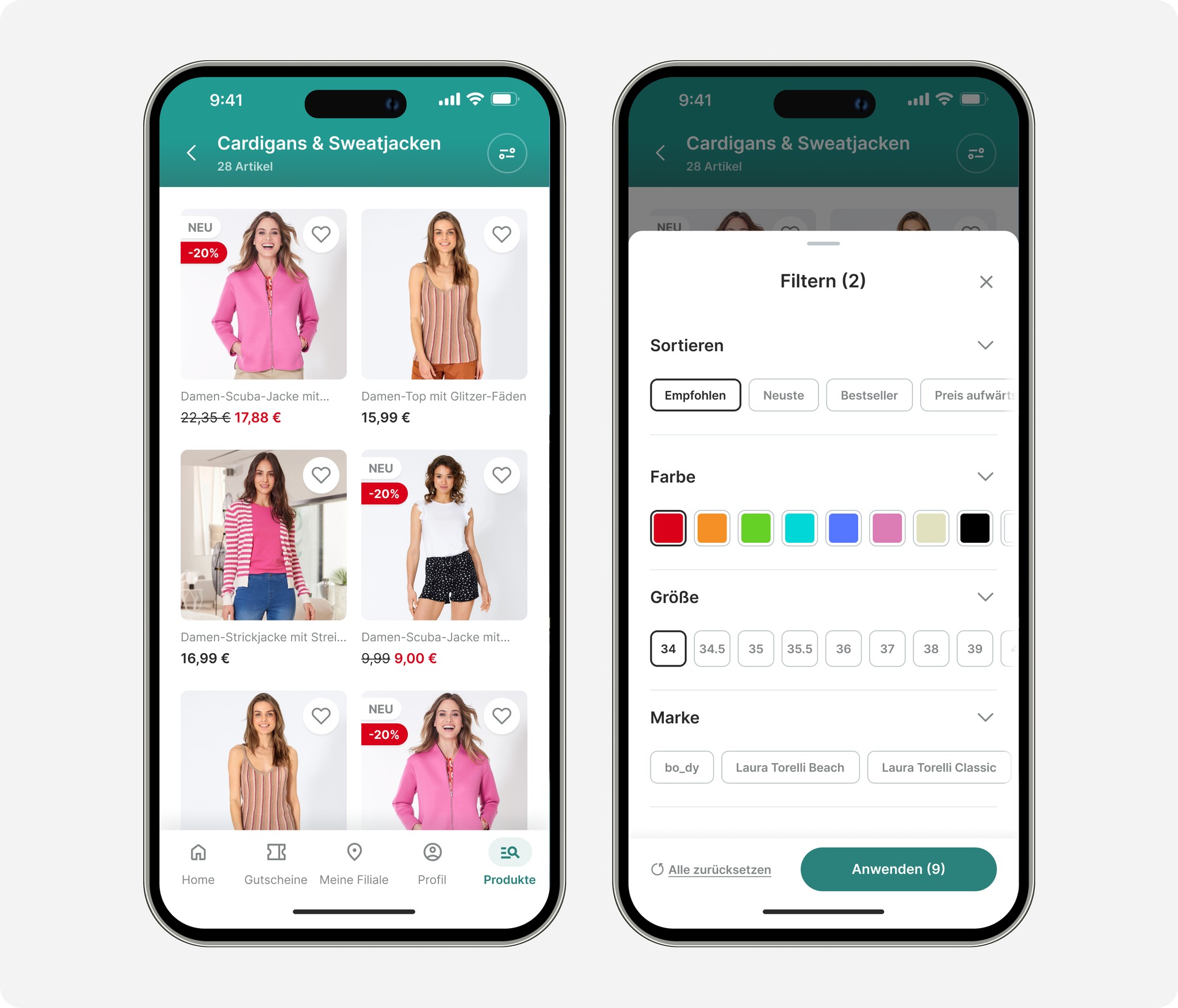
Seamless shopping experience
The challenge was to design an app that incorporates loyalty and personalization features while delivering a straightforward shopping experience without cluttering the user interface.
By using the previously mentioned 'store selection' feature, we could address an issue discovered during interviews and inform users if discounted products are available in their favorite store by displaying the information on the product details page.
Components
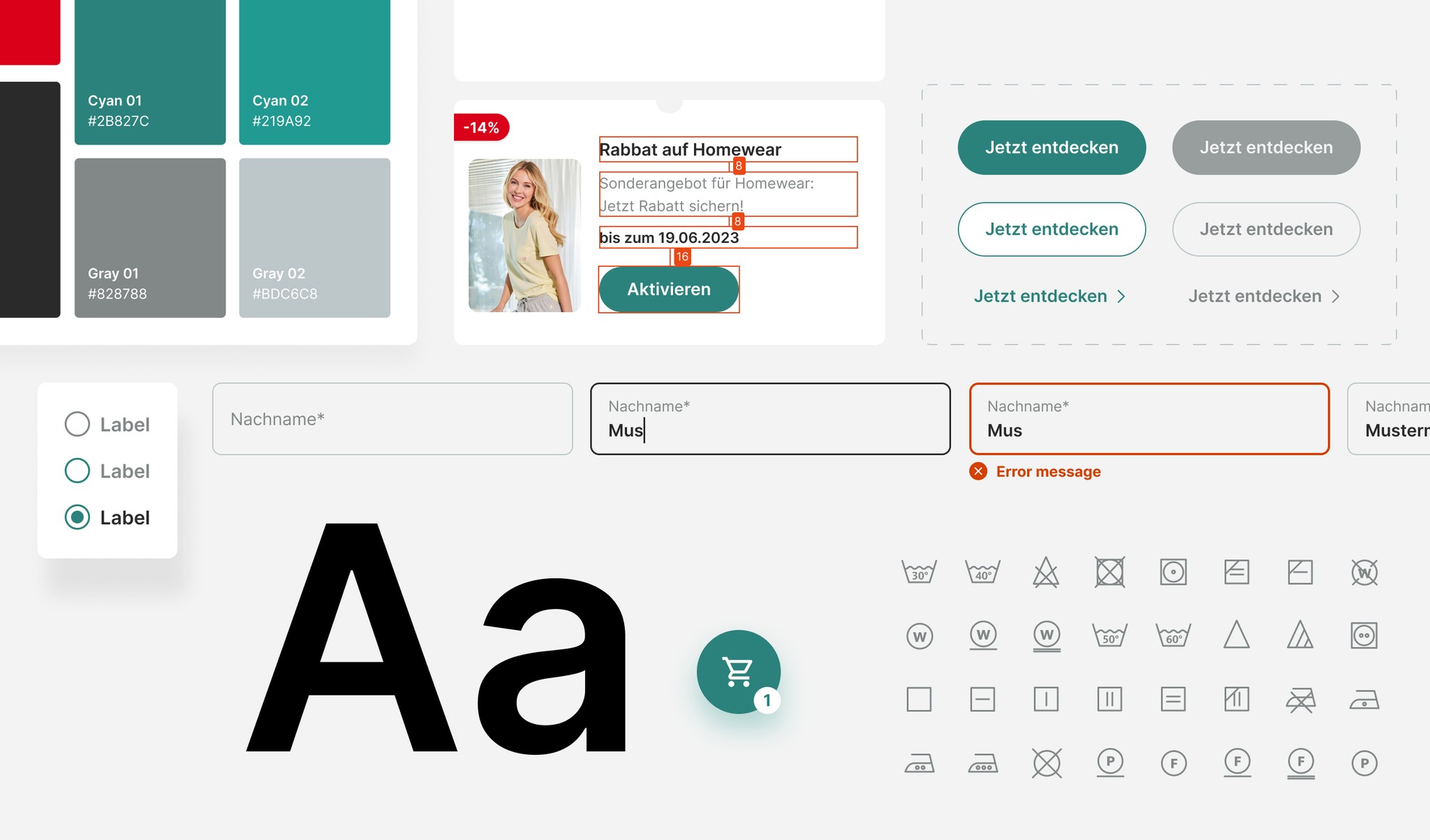
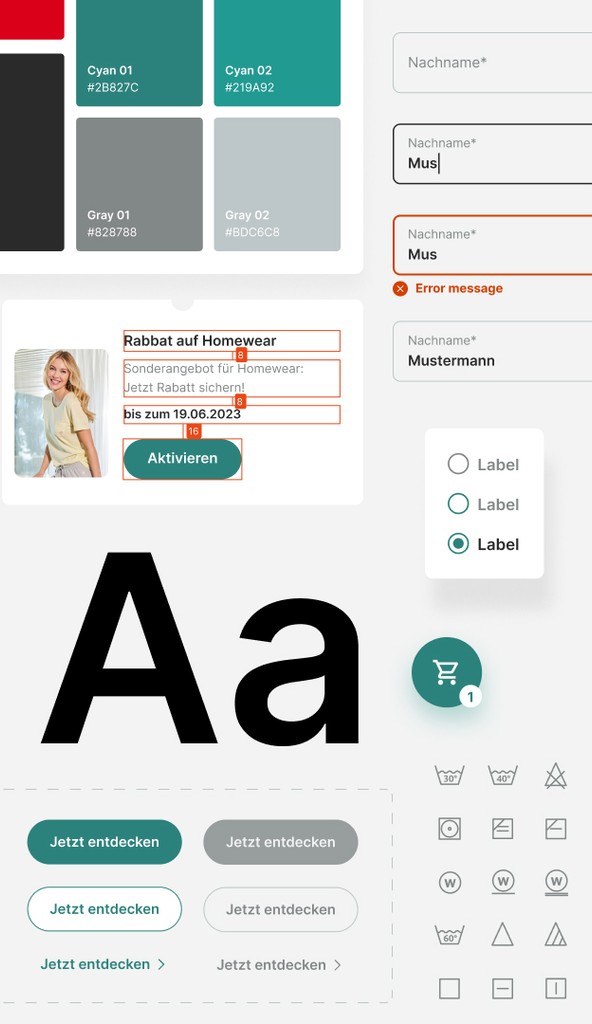
All the designs were created in collaboration and consultation with the developers team, using the components and variables-based approach to provide consistency and cost-efficient reuse. The goal was to establish a strong foundation for the development of the design system in the future, after an initial fixed-price MVP phase is over and the app needs to scale over time.
Recommended next steps for the UX strategy
Measure usability through task success rates for core actions like application setup, purchasing products, using coupons, and accessing the virtual loyalty card to collect points.
Define more business KPIs and metrics to set up further data analytics plans and optimization goals.